
It doesn’t always look the way people expect.
You can have family, conversations, even a routine—and still feel a quiet sense of disconnection. Loneliness after 50 is not always about being physically alone. Sometimes it comes from changes in relationships, daily routines, life transitions, or a reduced sense of connection with the people around you.
These feelings can develop gradually and may be easy to overlook at first. Understanding what contributes to loneliness is often the first step toward rebuilding meaningful connection and improving overall well-being.
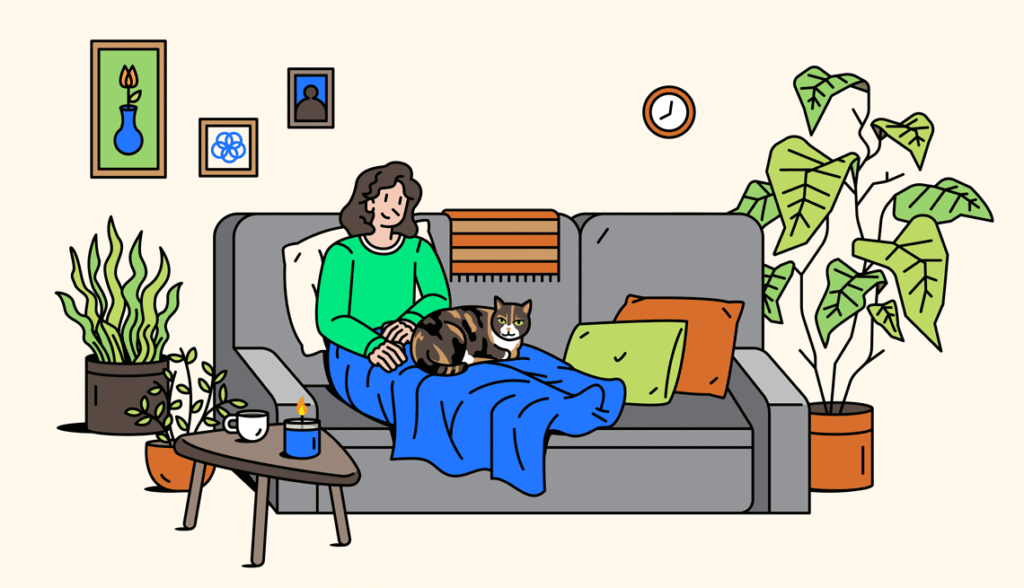
Why Do I Feel Lonely After 50?
Feeling lonely after 50 often happens because of life changes, reduced social interaction, and shifts in daily routines that affect connection.
As life evolves, the structure that once created regular interaction begins to change. Conversations may become less frequent, social circles may shrink, and daily routines may feel quieter.
Some individuals also notice related changes, such as Why Am I Always Tired After 50?, which can reduce motivation to stay socially active.
What Causes Loneliness After 50?
Life Transitions Change Daily Interaction
Major life changes often reduce regular contact.
Examples include:
• Retirement
• Children moving out
• Relocation
These changes can quietly reduce daily interaction.
Social Circles Naturally Shift
Friendships evolve over time.
• People move away
• Schedules no longer align
• Contact becomes less frequent
Health or Energy Changes
Physical changes can affect social activity.
• Lower energy levels
• Joint discomfort
• Reduced mobility
Emotional and Psychological Factors
Loneliness isn’t always about being alone.
It can also come from:
• Feeling disconnected
• Reduced social confidence
• Increased stress
What Experts Say About Loneliness After 50
The National Institute on Aging explains that loneliness and social isolation can increase the risk of health issues, but staying socially engaged and maintaining relationships can significantly improve overall well-being.
A Simple Way to Look at It
Loneliness after 50 is not a failure—it is often a natural result of life transitions.
Understanding this can remove unnecessary self-blame and make it easier to take positive steps forward.
Simple Ways to Feel More Connected After 50
Reconnect With Someone You Already Know
A simple message or call can quickly reopen the connection.
Join Something Local
Shared activities make conversations happen naturally.
• Walking groups
• Classes
• Community events
Stay Physically Active
Movement improves both mood and social interaction.
• Walking
• Group activities
• Light exercise
Volunteer
Helping others builds purpose and connection at the same time.
Support Emotional Well-Being
For some, emotional support tools can make it easier to reconnect with themselves and others.
Some options people often find helpful include:
- Guided journals for reflection and emotional clarity
- Meditation or mindfulness apps that reduce stress
- Books focused on building emotional resilience
Natural remedies that help
Why This Matters More Than You Think
Loneliness affects more than emotions.
It can influence:
• Energy levels
• Sleep quality
• Overall well-being
Improving connection often improves multiple areas of life.
Common Mistakes to Avoid
Waiting for Others to Reach Out
Connection often starts with one small step.
Isolating During Low-Energy Periods
Even light interaction can help improve mood.
Ignoring Emotional Needs
Mental well-being is just as important as physical health.
Believing It’s Too Late
Connection can be rebuilt at any stage of life.
Frequently Asked Questions
Is loneliness normal after 50?
Yes, it is common and often linked to life transitions.
Can loneliness affect health?
Yes, it can influence both mental and physical well-being.
Can it be improved?
Yes, even small actions can create meaningful change.
Where should I start?
Start with one simple step, such as reaching out to someone.
You May Also Find Helpful
• When Loneliness Visits After 50 — And Why You Are Not Broken
• Life After 50: Overcoming Loneliness, Finding Comfort, and Rediscovering Joy
• Stress Relief & Mindfulness for 50+: Simple Ways to Stay Calm and Energized
Final Thoughts
Feeling lonely after 50 does not mean something is wrong.
In many cases, it simply reflects life changing in ways that reduce daily connection.
The important thing to remember is that connection can always be rebuilt—often starting with one small step.
There is no problem that has no solution and no illness that has no medicine.
— Sam Ammouri
Medical Disclaimer
This article is for informational purposes only and does not replace professional medical advice. Always consult a qualified healthcare provider regarding any persistent or concerning symptoms.
Affiliate Disclaimer
This article may contain affiliate links. If a purchase is made, it may earn a small commission at no additional cost to you. This helps support the site.
About the Author
I am Sam Ammouri, the founder of PowerAt50Plus.com—a platform built from real-life experience, resilience, and a deep commitment to helping others feel better after 50.
After facing serious health challenges, I chose to take control through consistent habits, movement, and practical strategies. That journey became the foundation of this website.
Today, I share realistic, simple approaches to help improve comfort, mobility, and confidence—without overwhelming routines.
Sam Ammouri