
Some days, your head simply feels heavier than usual. It’s not a headache, and it’s not quite dizziness. Instead, it feels as though there’s a constant weight or pressure that makes it harder to feel alert, focused, or comfortable.
The sensation may appear during stressful periods, after a poor night’s sleep, or on days when you’re feeling physically or mentally drained. Because it doesn’t fit neatly into a specific symptom, it can be difficult to describe and even harder to understand.
If you’ve been wondering why your head feels heavy after 50, factors such as muscle tension, fatigue, stress, circulation changes, and daily habits may all play a role. Understanding the possible causes is often the first step toward finding relief.
Why Does My Head Feel Heavy After 50?
A heavy head feeling after 50 is often connected to how the body handles tension, circulation, and energy levels. As the body changes over time, muscles may tighten more easily, and mental fatigue can build up faster than before. Because of this, even simple daily habits can contribute to that weighed-down sensation.
In most cases, this feeling is temporary. However, understanding the common triggers can make it easier to reduce how often it happens.
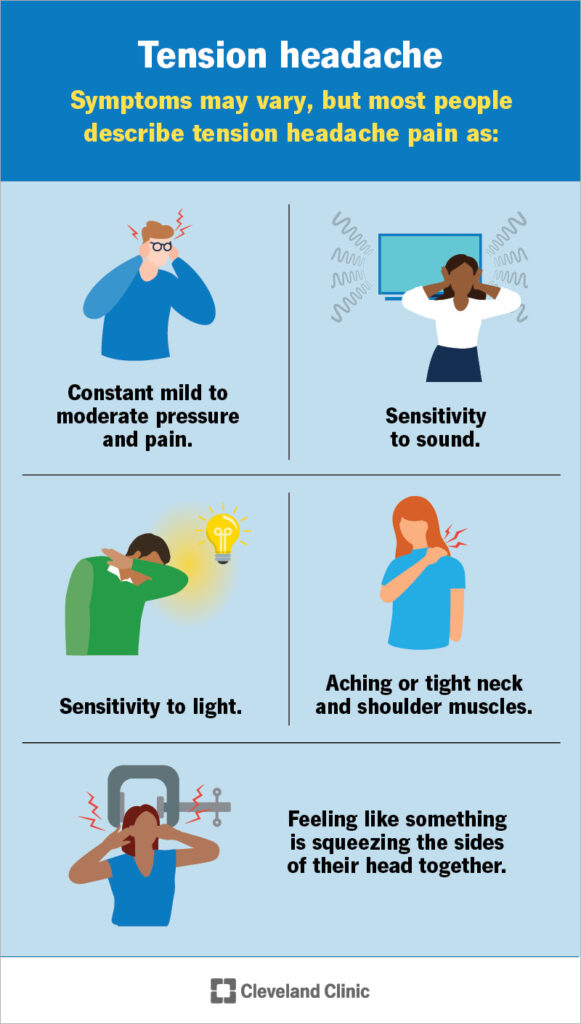
Common Causes of a Heavy Head Feeling After 50
Muscle Tension in the Neck and Shoulders
Tight muscles in the neck and upper back can create a pulling sensation that travels up into the head. This often leads to a feeling of heaviness rather than sharp pain.
– Mental Fatigue
Long periods of concentration or stress can leave the brain feeling tired. Over time, this can create a dull, heavy sensation in the head.
– Poor Sleep Quality
Sleep that is interrupted or not fully restful can affect how the head feels the next day. As a result, heaviness may become more noticeable.
– Dehydration
Even mild dehydration can affect circulation and energy levels. This can contribute to a sluggish, heavy feeling in the head.
– Posture and Sitting Habits
Spending long hours sitting or looking down at screens can strain the neck and upper body, leading to pressure and heaviness.
Simple Ways to Relieve a Heavy-Head Feeling
1- Release Muscle Tension
Gentle stretching or light massage can help relax tight areas and reduce pressure.
2- Improve Daily Hydration
Drinking water consistently throughout the day helps support circulation and energy levels.
3- Take Breaks During the Day
Short breaks from screens or work can help reduce mental fatigue and ease head pressure.
4- Improve Sleep Consistency
Going to bed and waking up at regular times helps the body recover more effectively.
5- Adjust Posture
Sitting upright and keeping screens at eye level can reduce strain on the neck and shoulders.
Helpful Tools That Can Support Relief
Sometimes, simple tools can make it easier to stay consistent with habits that reduce tension and improve comfort.
– Neck support pillows for proper alignment
– Posture correctors to reduce strain
– Reusable water bottles to maintain hydration
– Heat therapy wraps for muscle relaxation
⇒ See more products that can support relief from a heavy head feeling on Amazon
Supporting Your Body Throughout the Day
Daily habits play a major role in how your body feels. Staying active, maintaining good posture, and allowing time for rest can all help reduce the chances of experiencing a heavy head feeling.
Creating a simple routine can make these habits easier to follow and maintain over time.
– Ergonomic chairs for better posture
– Foam rollers for muscle relief
– Sleep masks to improve rest quality
– Daily planners to reduce mental overload
When Should a Heavy Head Feeling Be Checked?
If a heavy head feeling after 50 becomes persistent, worsens over time, or is accompanied by other symptoms like dizziness or vision changes, it’s important to pay attention. According to the Mayo Clinic, ongoing head pressure or unusual sensations may need evaluation to rule out underlying conditions.
Common Mistakes That Can Make It Worse
Ignoring posture is one of the most common contributors to ongoing head heaviness. In addition, sitting for long periods without movement can increase muscle tension. Skipping hydration and not getting enough rest may also make the sensation more noticeable over time.
Frequently Asked Questions
Is a heavy head feeling after 50 normal?
It’s fairly common and often linked to tension, fatigue, or posture.
Is it the same as a headache?
Not exactly. A heavy feeling is more like pressure or weight rather than pain.
Can stress cause this feeling?
Yes, stress can contribute to muscle tension and mental fatigue.
When should I be concerned?
If the feeling is persistent, worsening, or combined with other symptoms.
You May Also Find Helpful
- Products that can support and relieve a heavy head feeling
- Why Do I Feel Pressure in My Head After 50? Causes and Relief
- Why Do I Get Frequent Headaches After 50? Causes and Natural Relief
Final Thoughts
A heavy head feeling after 50 can be uncomfortable, but it is often linked to everyday habits that can be adjusted. By improving posture, reducing tension, and supporting better sleep, it becomes easier to relieve that heavy sensation and feel more balanced throughout the day. Small, consistent changes can lead to noticeable improvement.
“There is no problem that has no solution and no illness that has no hope.”
Sam Ammouri
Affiliate Disclosure
Some pages on PowerAt50Plus may contain affiliate links, including links from the Amazon Associates Program and other trusted partner programs.
This means that if you click on certain links and make a purchase, I may earn a small commission at no extra cost to you.
These commissions help support the website and allow me to continue creating practical content focused on healthy living, smarter saving, and everyday life after 50.
I only recommend products, services, or resources that I believe may provide real value to readers.
Thank you for supporting PowerAt50Plus.