
You don’t feel fully dizzy. The room isn’t spinning, and you’re not about to fall over. Instead, it’s a subtle sensation that something feels slightly off with your balance.
You may notice it when standing up, turning your head, walking through a room, or changing positions. The feeling can be mild, yet noticeable enough to make you wonder what’s causing it.
If your ears feel slightly off balance after 50, small changes in the inner ear, pressure regulation, circulation, or sensitivity to movement may be part of the explanation. Because the ears play an important role in balance, even minor changes can sometimes affect how steady you feel.
Is it normal if ears feel slightly off balance after 50?
Yes, it is quite common.
Inside the ear is a delicate system that works with your eyes and body to maintain balance.
Even small changes—such as pressure shifts, fluid movement, or sensitivity—can affect how steady you feel.
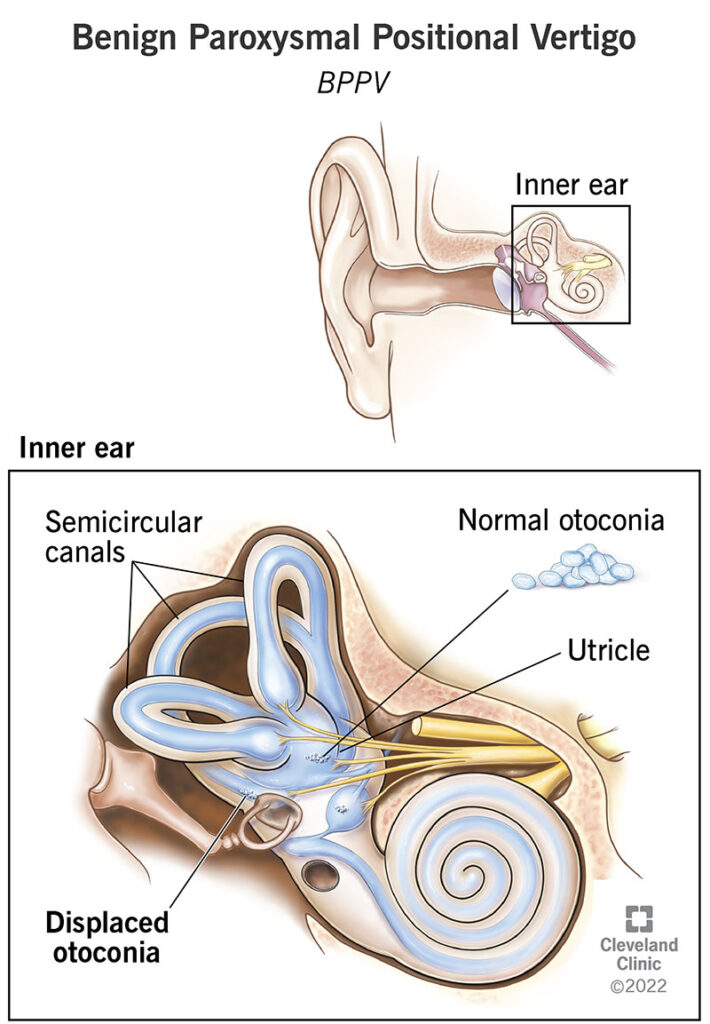
What Experts Say About Balance Changes After 50
Mayo Clinic explains that balance issues can sometimes be linked to inner ear changes, circulation shifts, or mild pressure imbalances.
Common Reasons Ears Feel Slightly Off Balance After 50
Inner Ear Sensitivity
The inner ear may become more sensitive to movement or position changes.
1-Pressure Changes
Even small pressure differences inside the ear can affect stability.
2-Circulation Changes
When standing or moving quickly, circulation shifts can briefly affect balance.
3-Neck or Posture Tension
Tension in the neck can influence how balance signals are processed.
Simple Ways to Improve Stability
If your ears feel slightly off balance after 50, small adjustments can help.
• Stand up slowly to allow the body to adjust
• Move gently when turning your head
• Stay hydrated to support circulation
• Focus your eyes on a stable point to regain balance
Support Tools That May Help Improve Stability
Some people find it helpful to use simple tools that support posture, circulation, and comfort.
• Balance support mats for safer footing
• Neck support pillows that reduce tension
• Compression socks that support circulation
Click here to see more products, natural solutions, and supplements for this condition that support relief.
Why This Often Feels Bigger Than It Is
The balance system is highly sensitive.
Even small changes can feel noticeable, even if they are not serious.
That does not mean something is wrong—it often means your body is adjusting.
Some people who experience this sensation also notice related ear pressure changes, such as Why Do My Ears Feel Tight or Pressed After 50?, which can share similar inner ear and pressure-related triggers.
Daily Habits That Help Maintain Balance
Simple habits can improve stability over time.
• Staying active to keep the balance system engaged
• Maintaining good posture
• Taking breaks from long periods of sitting
Consistency helps your body adapt more smoothly.
Common Mistakes to Avoid After 50
Standing Up Too Quickly
This can disrupt circulation and balance.
Ignoring Hydration
Hydration supports both circulation and inner ear function.
Holding Tension in the Neck and Shoulders
Tension can interfere with balance signals.
Frequently Asked Questions
Why do my ears feel slightly off balance after 50?
This is often due to small changes in the inner ear, circulation, or pressure.
Is this the same as vertigo?
No, this is usually a mild imbalance, not spinning dizziness.
Can posture affect balance?
Yes, neck and body alignment play a role in stability.
When should I be concerned?
If balance issues become frequent, severe, or worsen over time, it is best to seek advice.
You May Also Find Helpful
- • Read: Why Do My Ears Feel Pressure When Lying Down After 50? Causes and Simple Ways to Relieve It
- • Read: Why Do My Ears Feel Clogged After 50? Causes and Simple Ways to Clear Them
Final Thoughts
If your ears feel slightly off balance after 50, it is often your body adjusting to small internal changes.
It may feel unfamiliar, but in most cases, it is temporary and manageable.
With gentle movement, consistent habits, and awareness, your balance usually stabilizes again.
Sometimes, all your body needs is a moment to steady itself.
There is no problem that has no solution and no illness that has no medicine.
— Sam Ammouri
About the Author
I am Sam Ammouri, the founder of PowerAt50Plus.com—a platform built from real-life experience, resilience, and a deep commitment to helping others feel better after 50.
After facing serious health challenges, I chose to take control through consistent habits, movement, and practical strategies. That journey became the foundation of this website.
Today, I share realistic, simple approaches to help improve comfort, mobility, and confidence—without overwhelming routines.
– Sam Ammouri
Medical Disclaimer
This article is based on a combination of general research, medical sources, and real-life experience. Many of the insights shared here come from personal health challenges, ongoing learning, and conversations with healthcare professionals over time.
While these approaches have helped in real situations, every individual is different. This content is not intended to replace professional medical advice, diagnosis, or treatment.
If you are experiencing persistent, worsening, or concerning symptoms, it is always best to consult a qualified healthcare provider who understands your specific condition.
Affiliate Disclaimer
This article may contain affiliate links. If a purchase is made, it may earn a small commission at no additional cost to you. This helps support the site.