
I remember the first time I noticed it—a faint ringing that seemed to appear out of nowhere, especially at night when everything else was quiet. The sound wasn’t loud, but once I became aware of it, it was difficult to ignore.
At first, it can feel confusing or even a little unsettling. You may wonder where the sound is coming from, why it suddenly appeared, or whether it’s something you should be concerned about.
If you’ve been wondering why your ears ring more after 50, natural changes in the hearing system are often part of the explanation. The good news is that tinnitus is common, and understanding the possible causes can help you manage it more effectively and know when it may deserve medical attention.
Can Ear Ringing After 50 Be Something Serious?
In many cases, it isn’t serious. However, it depends on how your symptoms appear.
If the ringing:
– Comes and goes
– Is mild
– Doesn’t affect your daily life
Then it’s usually harmless.
On the other hand, if it:
– Becomes suddenly louder
– Happens in only one ear
– Comes with dizziness or hearing loss
Then it’s worth getting it checked.
If your sleep has also been affected by nighttime symptoms, you might find it helpful to read Why Do I Wake Up at 3 AM After 50?
Understanding Nighttime Wake Ups and How to Sleep Better Again, since sleep patterns and ear sensitivity are often connected.
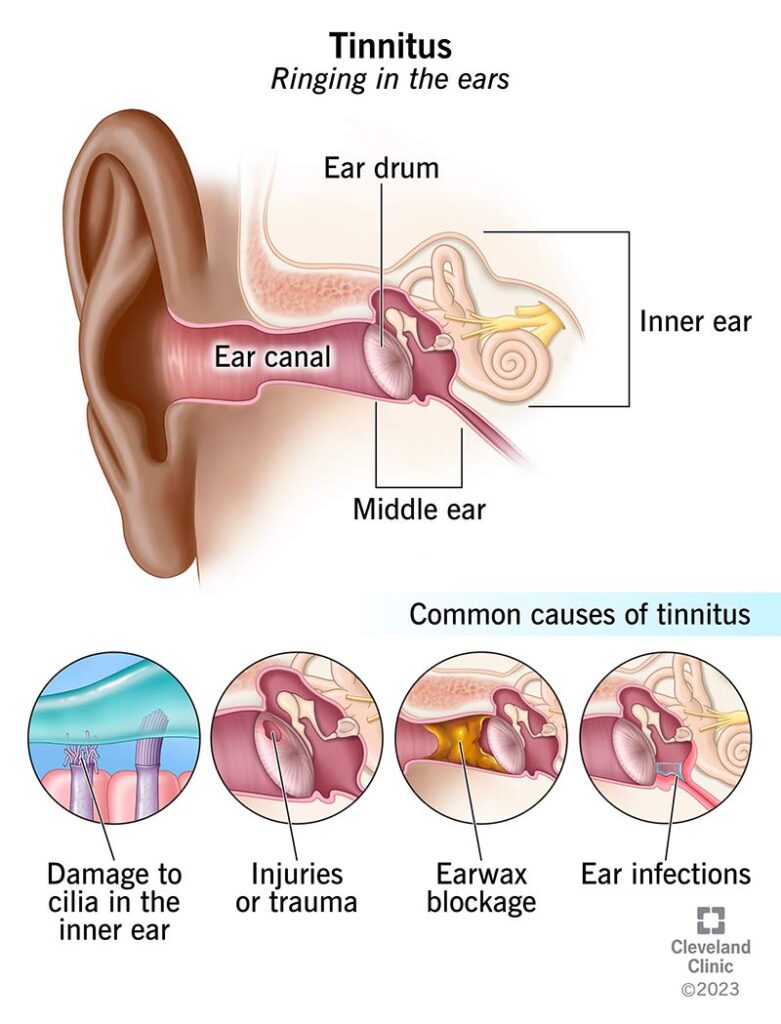
Common Causes of Ear Ringing After 50
Several factors can contribute to this.
1- Age-Related Hearing Changes
Over time, the tiny hair cells inside the inner ear become less sensitive.
As a result, certain sounds are no longer picked up clearly. Because of that, the brain may create its own internal sound—what you hear as ringing.
2- Changes in Nerve Signals
Your ears and brain work together closely.
However, as nerve signals change with age, sound processing may shift slightly. This can make internal noises more noticeable, especially in quiet environments.
3- Stress and Mental Tension
Stress plays a bigger role than most people expect.
When your mind is tense, it becomes more sensitive to internal sensations. As a result, ringing can feel louder or more frequent.
4- Circulation and Blood Flow Changes
Healthy circulation supports the delicate structures inside the ear.
When blood flow changes, it can sometimes affect how sound signals are processed, which may increase ringing.
5- Long-Term Noise Exposure
Over the years, exposure to loud sounds can affect hearing.
For example:
– Loud music
– Work environments
– Constant background noise
Over time, this can contribute to ringing.
What Most People Don’t Realize About Ear Ringing After 50
Here’s something important:
It’s not just about your ears—it’s about awareness.
The quieter your environment, the more noticeable the ringing becomes. That’s why many people first notice it at night.
Understanding this can reduce anxiety and help you manage it more calmly.
Simple Ways to Reduce Ear Ringing After 50
Small adjustments can make a noticeable difference.
Reduce Complete Silence at Night
Ringing often feels louder when everything is silent.
Because of that, adding a gentle background sound can help:
– White noise
– Soft nature sounds
– A low fan
A Helpful Option Some People Use
If this happens often, some people find that simple sound-based tools make nights more comfortable.
“Some people find that using gentle background sound regularly makes ear ringing much less noticeable.”
– White noise machines designed for sleep
– Nature sound devices for relaxation
– Soft ambient sound generators
Also, you may click here to see more products and supplements that can relieve your condition and protect your ears in the long term
Support Relaxation Before Bed
Stress can increase how strongly you notice ringing.
However, simple habits can help:
– Deep breathing
– Light stretching
– Quiet reading
These help calm the nervous system.
Protect Your Hearing
Avoid excessive noise whenever possible.
For example:
– Lower headphone volume
– Avoid prolonged loud environments
– Give your ears time to rest
Support Healthy Circulation
Daily movement helps support overall ear health.
Walking, stretching, and light exercise can improve circulation and reduce sensitivity.
What Experts Say About Ear Ringing After 50
Mayo Clinic
Tinnitus is commonly linked to age-related hearing loss, exposure to loud noise, or changes in how the brain processes sound signals.
Common Mistakes That Make It Worse
Ignoring Stress
Stress can make ringing feel more intense.
Sleeping in Complete Silence
Silence often amplifies internal sounds.
Using Loud Headphones
This can increase sensitivity over time.
Assuming It Will Always Get Worse
In many cases, it stabilizes or becomes less noticeable.
Frequently Asked Questions
Is it normal for ears to ring after 50?
Yes. Many people experience tinnitus due to natural hearing changes.
Can stress make ear ringing worse?
Yes. Stress increases awareness of internal sounds.
Does tinnitus go away?
Sometimes it becomes less noticeable over time with lifestyle adjustments.
What helps at night?
Soft background sound and relaxation techniques are often effective.
You May Also Find Helpful
-
Why Am I Always Tired After 50? Causes and Natural Ways to Restore Energy
-
Why Do I Wake Up at 3 AM After 50? Understanding Nighttime Wake Ups and How to Sleep Better Again
Final Thoughts
If your ears ring more after 50, it’s often your body adjusting to changes in hearing and sound processing.
The key is not to fight it—but to understand it.
With small adjustments, many people find that the ringing becomes less noticeable and easier to live with.
“There is no problem that has no solution and no illness that has no hope.”
— Sam Ammouri
Affiliate Disclosure
Some pages on PowerAt50Plus may contain affiliate links, including links from the Amazon Associates Program and other trusted partner programs.
This means that if you click on certain links and make a purchase, I may earn a small commission at no extra cost to you.
These commissions help support the website and allow me to continue creating practical content focused on healthy living, smarter saving, and everyday life after 50.
I only recommend products, services, or resources that I believe may provide real value to readers.
Thank you for supporting PowerAt50Plus.