
Standing up after sitting for a while can feel different than it used to. I’ve noticed it myself at times—that feeling of tightness in the hips when getting out of a chair, stepping out of a car, or rising from the couch after an evening of watching television.
In many cases, this stiffness is a normal response to spending long periods in one position. While it can be frustrating, it is often linked to changes in flexibility, muscle tightness, and joint mobility rather than a serious problem.
Understanding why hip stiffness happens after 50 can help you take simple steps to improve mobility, move more comfortably, and reduce that tight, sluggish feeling when you stand up.
Quick Answer
If your hips feel stiff after sitting after 50, it is usually caused by tight hip flexor muscles, reduced joint mobility, or lack of movement. The stiffness typically improves within a few minutes of standing, walking, or gentle stretching.
Is It Normal if Hips Feel Stiff After Sitting After 50?
Yes, it is very common.
The hip joint depends on surrounding muscles—especially the hip flexors, glutes, and hamstrings—to move smoothly. When you sit for long periods, these muscles stay in a shortened position.
When you stand up, they need time to stretch again, which is why your hips feel stiff after sitting after 50.
Why This Happens After 50
As we get older, a few natural changes happen in the body:
| Cause | What Happens |
|---|---|
| Muscle Tightening | Muscles shorten during long sitting periods |
| Reduced Flexibility | Joints lose some natural range of motion |
| Weak Glutes | Less support for hip movement |
| Less Daily Movement | Muscles stiffen more easily |
These changes don’t mean something is wrong—they simply mean your body needs more regular movement.
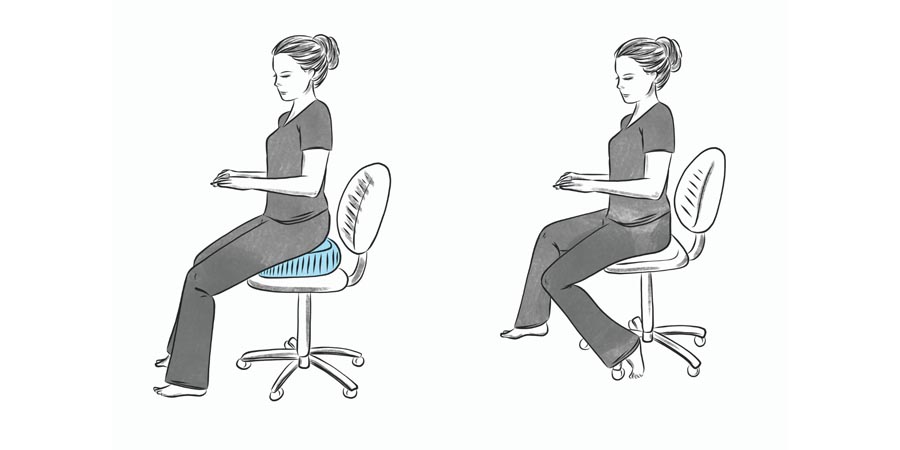
What It Feels Like
When hips feel stiff after sitting after 50, you may notice:
- Tightness when standing up
- Slower or awkward first steps
- A slight pulling feeling in the front of the hips
- Discomfort that improves after walking
In most cases, the stiffness fades quickly once you start moving.
Simple Ways to Loosen Stiff Hips
The good news is that small, consistent habits can make a big difference.
Start with gentle movements:
- Stand up and walk for a few minutes every hour
- Do a light hip flexor stretch
- Try a seated figure-four stretch
- Take short walks during the day
Even 2–3 minutes of movement can completely change how my hips feel.
🌿 Natural Support for Hip Flexibility
Some people find additional relief using simple natural approaches:
- Warm compress or heat therapy to relax muscles
- Light massage around the hips and thighs
- Gentle morning stretching routines
These can help reduce stiffness and improve circulation over time.
💰 Helpful Tools That Make Movement Easier
Sometimes having the right tools makes it easier to stay consistent. Here is some…
– Resistance bands to strengthen hip muscles
– Foam rollers to release tight areas
– Stretch straps to improve flexibility
Using these tools regularly can turn a short routine into a powerful daily habit.
Why Regular Movement Protects Your Hips
Movement is one of the most important things you can do.
When hips feel stiff after sitting after 50, it’s often your body’s way of saying: “I need more movement.”
Even simple habits like:
- Standing more often
- Walking daily
- Stretching briefly
can help keep your hips flexible and comfortable.
💰 Daily Comfort Supports That Help
If you sit for long periods, a few small adjustments can make a big difference such as—
– Heated hip wraps to relax tight muscles
– Massage rollers for hips and thighs
– Seat cushions that improve posture
These can help reduce strain and keep your hips more relaxed throughout the day.
According to Mayo Clinic, joint stiffness after inactivity is often related to muscle tightness or reduced joint mobility.
If the hips feel stiff after sitting after 50, the stiffness usually improves after a few minutes of walking or gentle movement.
Common Mistakes That Make Hip Stiffness Worse
Certain habits can make stiffness worse without realizing it:
- Sitting too long without breaks
- Avoiding movement because of mild discomfort
- Slouching or poor posture
- Skipping simple daily stretching
Fixing these small habits often brings noticeable improvement.
FAQ
Why do my hips feel stiff after sitting after 50?
Because muscles tighten during inactivity and need time to loosen when you stand.
Can stretching really help?
Yes, gentle daily stretching can significantly improve flexibility and reduce stiffness.
How long should stiffness last?
Usually, just a few minutes after you start moving.
When should I worry about hip stiffness?
If it becomes painful, severe, or doesn’t improve with movement, it’s best to check with a doctor.
You May Also Find Helpful
• Hip Pain When Sleeping on Side After 50: Causes and Simple Relief
• Legs Feel Weak When Walking After 50? Causes and Simple Ways to Improve Strength
• Best Low-Impact Home Workouts for 50+ With Bad Knees
Final Thoughts
If your hips feel stiff after sitting after 50, it’s usually not something to fear—it’s simply your body asking for more movement.
The key here isn’t doing anything extreme. It’s the small daily habits—standing more, stretching gently, and staying active—that make the biggest difference over time.
Stay consistent, listen to your body, and things can improve more than you might expect.
“There is no problem that has no solution and no illness that has no medicine.”
About the Author
I am not a doctor, medical researcher, or graduate of any medical institution. What I share comes from lived experience, personal struggle, and years of self-education.
After facing serious health challenges, including heart failure and a near-death experience, I developed a strong determination to understand what was happening to my body. I made it a priority to listen carefully to every doctor, follow medical guidance closely, and study as much reliable public health information as I could.
Over time, through persistence and learning, I was able to turn my life around — moving from a critical condition to living a more stable, active, and enjoyable life.
Through PowerAt50Plus, I share simple, practical insights based on that journey to help others better understand what they may be experiencing and feel less alone.
— Sam Ammouri
Medical Disclaimer
This content is for informational and educational purposes only and is not medical advice. Always consult a qualified healthcare professional regarding any medical concerns or symptoms.
Affiliate Disclaimer
Some links on this page may be affiliate links, which means I may earn a small commission at no extra cost to you. This helps support the site and allows me to continue providing helpful content.