
Knees sometimes crack, pop, or make clicking sounds when you stand up after sitting for a while. It can happen when getting out of a chair, stepping out of a car, or rising from the couch after watching television. The sound may be surprising, especially if it seems to happen more often than it used to.
In most cases, occasional knee cracking is a normal part of how joints move and function. While the sounds can be concerning, they are not always a sign that something is wrong.
Understanding what causes knee cracking after 50 can help you determine when it is harmless, when it may be related to normal joint changes, and when it may be worth discussing with a healthcare professional.
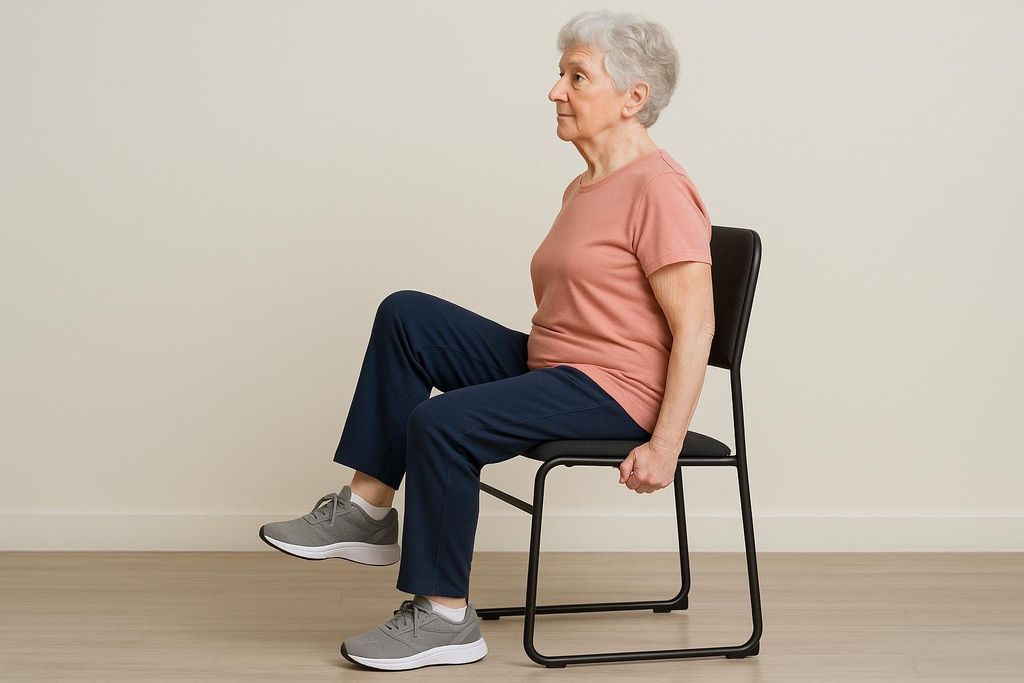
Is It Normal When Legs Feel Restless at Night After 50?
Yes, it is very common.
As the body begins to relax in the evening, circulation naturally slows down. At the same time, muscles shift into a resting state. For some people, this combination can trigger unusual sensations in the legs.
That’s exactly why legs feel restless at night after 50—it’s often the body reacting to reduced movement and increased sensitivity during rest.
Why Legs Feel Restless at Night After 50
As we age, several natural changes can contribute. For example:
| Cause | What Happens |
|---|---|
| Reduced Circulation | Blood flow slows slightly when lying down |
| Muscle Fatigue | Legs carry tension from the day |
| Nerve Sensitivity | Nerves become more reactive at rest |
| Nutrient Imbalance | Low magnesium or iron may contribute |
These are common and manageable factors. In most situations, there is no reason to worry.
What It Feels Like
So what does this actually feel like?
When legs feel restless at night after 50, you may notice:
- A strong urge to move the legs
- Crawling or tingling sensations
- Difficulty keeping legs still
- Temporary relief when moving or stretching
In many cases, these sensations come and go. However, they often become more noticeable when trying to relax or fall asleep.
Simple Ways to Calm Restless Legs
Now let’s look at what you can do about it.
Small habits can make a big difference. For instance:
- Stretch your legs before bed
- Do gentle calf and hamstring stretches
- Rotate your ankles slowly
- Take a short walk before sleeping
Even a few minutes of movement can calm the legs significantly. As a result, falling asleep often becomes easier.
🌿 Natural Support for Restless Legs
In addition to movement, simple natural approaches can help relax the legs.
For example:
- Warm baths before bed
- Heat therapy to soothe muscles
- Gentle massage of calves and thighs
- Light stretching routines
Together, these habits help reduce tension and improve circulation, making nighttime discomfort less noticeable.
💰 Helpful Tools That Support Leg Comfort
Some people find that a few simple tools can make this routine easier and more comfortable.
– Compression socks to support circulation
– Leg massagers that stimulate blood flow
– Foam rollers to release tight muscles
Using these regularly can help reduce restlessness over time.
Why Evening Habits Matter More Than You Think
Evening routines play a bigger role than most people realize.
If your legs feel restless at night after 50, it may be linked to:
- Sitting too long in the evening
- Drinking caffeine late in the day
- Not moving enough before bed
Because of this, adding even light activity before sleep can help your body settle more naturally.
💰 Daily Comfort Supports That Help
In some cases, small comfort adjustments can make a noticeable difference.
– Heated leg wraps to relax muscles
– Weighted blankets for calming pressure
– Massage rollers for calves and thighs
Over time, these can help your body shift into a more relaxed state before sleep.
According to the Mayo Clinic, joint cracking without pain is usually harmless and often related to normal joint movement.
Common Mistakes That Make Restless Legs Worse
Yes, small habits can make this worse. However, the good news is they are easy to fix.
- Sitting too long during the day
- Drinking caffeine late in the evening
- Ignoring early signs of leg fatigue
- Skipping movement or stretching
By correcting these habits, many people notice improvement fairly quickly.
FAQ
Why do my legs feel restless at night after 50?
It’s usually due to circulation changes, muscle fatigue, or nerve sensitivity during rest.
Can stretching help?
Yes. Gentle stretching before bed often reduces discomfort.
Is this the same as restless legs syndrome?
Not always, although symptoms can overlap.
When should I see a doctor?
If symptoms are severe, frequent, or disrupt your sleep regularly.
You May Also Find Helpful
• Legs Feel Weak When Walking After 50? Causes and Simple Ways to Improve Strength
• Best Low-Impact Home Workouts for 50+ With Bad Knees
• Why Do My Joints Crack More After 50? Causes, Myths, and When to Pay Attention
Final Thoughts
If your legs feel restless at night after 50, it is often your body responding to the day’s tension and reduced nighttime movement.
The key is consistency. Gentle stretching, staying active, and building a calming nighttime routine can make a real difference.
Over time, these small changes can help your legs feel calmer—and your sleep feel deeper.
“There is no problem that has no solution and no illness that has no medicine.”
About the Author
I am not a doctor, medical researcher, or graduate of any medical institution. What I share comes from lived experience, personal struggle, and years of self-education.
After facing serious health challenges, including heart failure and a near-death experience, I developed a strong determination to understand what was happening to my body. I made it a priority to listen carefully to every doctor, follow medical guidance closely, and study as much reliable public health information as I could.
Over time, through persistence and learning, I was able to turn my life around — moving from a critical condition to living a more stable, active, and enjoyable life.
Through PowerAt50Plus, I share simple, practical insights based on that journey to help others better understand what they may be experiencing and feel less alone.
— Sam Ammouri
Medical Disclaimer
This content is for informational and educational purposes only and is not medical advice. Always consult a qualified healthcare professional regarding any medical concerns or symptoms.
Affiliate Disclaimer
Some links on this page may be affiliate links, which means I may earn a small commission at no extra cost to you. This helps support the site and allows me to continue providing help.