
Olive oil has been a staple of traditional Mediterranean diets for generations and is often associated with heart health, longevity, and overall well-being. In recent years, research has continued to explore the role olive oil may play in supporting healthy aging.
For adults over 50, small nutrition choices can have a meaningful impact over time. Adding olive oil to meals is one of the simplest dietary changes because it requires little effort while providing healthy fats and beneficial plant compounds.
The reasons below explain why olive oil remains one of the most widely recommended foods for supporting health and wellness after 50.
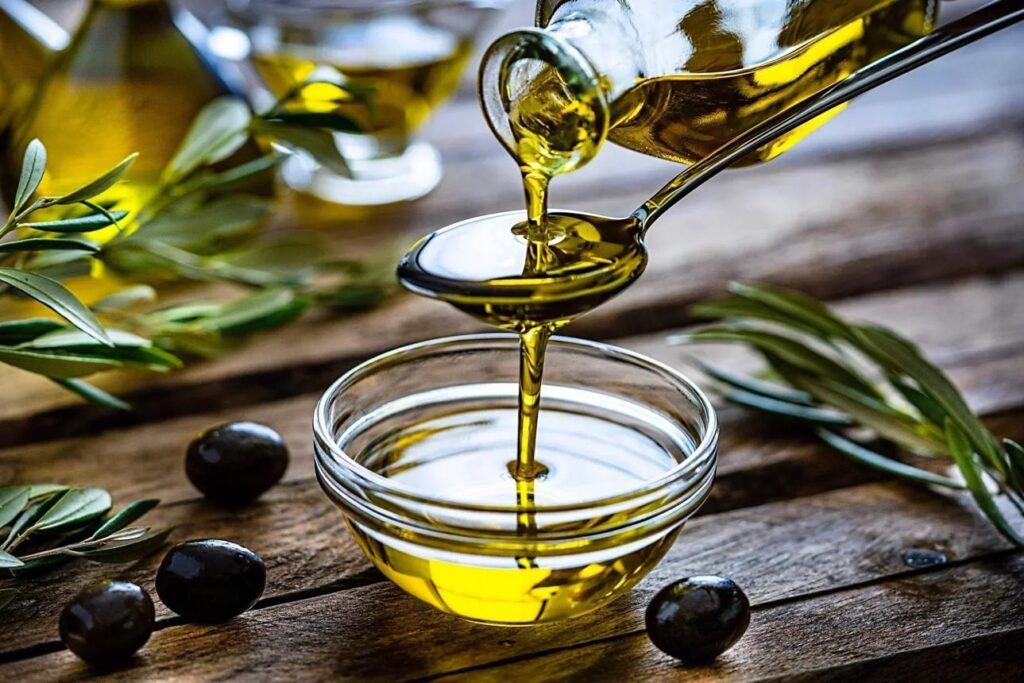
1. Olive Oil May Support Heart Health
Heart health becomes increasingly important after 50. Blood vessels naturally become less flexible over time, and maintaining healthy circulation becomes a bigger priority for many adults.
Extra virgin olive oil contains monounsaturated fats, often considered “heart-friendly” fats that may help support healthy cholesterol balance and circulation.
Many people choose olive oil as a healthier replacement for heavily processed fats because it may help support:
- Healthy Blood Flow
- Balanced Cholesterol Levels
- Cardiovascular Wellness
- Long-Term Heart Function
Because of this, olive oil has remained one of the most recommended foods within Mediterranean-style eating patterns.
2. It May Help Reduce Everyday Inflammation
Many adults over 50 begin experiencing more stiffness and discomfort in daily movement. Joints may feel tighter in the morning, and recovery from physical activity may take longer than it once did.
Part of this may be connected to inflammation that gradually increases with age and lifestyle habits.
Olive oil contains natural compounds such as polyphenols and oleocanthal that may support the body’s natural anti-inflammatory processes.
This may help support:
- Joint Comfort
- Easier Movement
- Recovery After Activity
- Overall Physical Comfort
While olive oil is not a medical treatment, adding it regularly to balanced meals may become part of a healthier long-term lifestyle.
3. Olive Oil Supports Healthy Cholesterol Balance
One reason olive oil receives so much attention is its potential role in supporting healthier cholesterol levels.
Highly processed foods and unhealthy fats may negatively influence cholesterol balance over time. Olive oil, however, is often used as a healthier alternative in many diets focused on long-term wellness.
Extra virgin olive oil may help support a healthier balance between:
- LDL (“Bad”) Cholesterol
- HDL (“Good”) Cholesterol
Maintaining this balance may support healthier blood vessels and circulation as the body ages.
4. It May Help Support Brain Health After 50
Many adults become more focused on memory, concentration, and mental sharpness later in life. Brain health is just as important as physical health during the aging process.
Olive oil contains antioxidants and plant compounds that may help protect cells from oxidative stress. Some studies suggest that diets rich in healthy fats and antioxidant-containing foods may support long-term cognitive function.
Combined with vegetables, fish, nuts, and whole foods, olive oil may become part of a brain-supportive eating pattern.
Some people also combine healthy eating habits with other supportive wellness strategies. If you enjoy learning about healthy foods after 50, you may also find Hidden Superfoods For Energy And Vitality Over 50 helpful.
5. Olive Oil Fits Naturally Into A Healthy Daily Routine
One reason olive oil is so practical is that it is extremely easy to use.
Unlike complicated wellness trends or restrictive diets, olive oil can simply become part of normal meals.
Many adults use it for:
- Salads
- Vegetables
- Fish
- Eggs
- Whole-Grain Toast
- Homemade Dressings
Small, consistent habits are often easier to maintain long-term than extreme changes.
6. It Plays A Major Role In The Mediterranean Diet
The Mediterranean diet is widely considered one of the healthiest eating patterns in the world.
In regions such as Greece, southern Italy, and parts of Spain, olive oil is used daily and often replaces heavily processed fats.
People following Mediterranean-style diets are frequently associated with:
- Longer Life Expectancy
- Better Heart Health
- Greater Mobility Later In Life
- Lower Rates Of Chronic Disease
The Mediterranean eating style typically focuses on:
- Vegetables
- Fruits
- Fish
- Whole Grains
- Nuts And Seeds
- Moderate Portions
- Olive Oil As The Primary Fat Source
Even small Mediterranean-inspired changes may support long-term wellness after 50.
7. Olive Oil Is One Of The Simplest Healthy Habits To Start
Some health changes feel overwhelming. However, olive oil is one of the easiest healthy habits to introduce into daily life.
There are no complicated routines involved. A small drizzle over vegetables or replacing butter in certain meals can be a simple starting point.
Over time, these small habits may help support healthier eating patterns and greater awareness of overall wellness.
In many cases, consistency matters far more than perfection.
⇒ Click here to see your options on Amazon
Practical Ways To Add Olive Oil To Daily Meals
Adding olive oil to meals does not need to feel complicated. Many adults naturally include it in simple everyday foods.
Some practical ideas include:
- Drizzling Olive Oil Over Steamed Vegetables
- Mixing It Into Homemade Salad Dressings
- Using It For Light Cooking
- Adding It To Whole-Grain Toast
- Replacing Butter In Certain Meals
- Pairing It With Fish Or Mediterranean Dishes
Because olive oil is versatile, it can easily fit into different eating styles and routines.
Olive Oil Comparison Table
| Type Of Olive Oil | Processing Level | Nutrient Content | Best Use |
|---|---|---|---|
| Extra Virgin Olive Oil | Minimal Processing | Highest | Salads, Light Cooking |
| Virgin Olive Oil | Moderate Processing | Moderate | General Cooking |
| Refined Olive Oil | Heavy Processing | Lower | High-Heat Cooking |
Choosing A High-Quality Olive Oil
Not all olive oils are created equally. Higher-quality olive oils typically contain more beneficial natural compounds.
When shopping, many people look for:
- Extra Virgin Olive Oil
- Dark Glass Bottles
- Harvest Date Information
- Mediterranean Origins
- Cold-Pressed Labels
Where Can You Find It?
High-quality olive oil is commonly available in:
- Grocery Stores
- Health Food Stores
- Warehouse Clubs
- Mediterranean Markets
- Online Retailers
⇒For convenience and more choices, click here to see your options on Amazon
According to The Mayo Clinic, Mediterranean-style diets rich in olive oil, vegetables, fish, and whole foods have been associated with improved heart health and better long-term wellness patterns.
This is one reason olive oil continues to receive attention from both traditional nutrition cultures and modern health research.
Common Mistakes People Make With Olive Oil
Even healthy foods can be used incorrectly.
Some common mistakes include:
- Using Low-Quality Refined Oils
- Overheating Extra Virgin Olive Oil
- Using Excessive Amounts
- Ignoring Overall Diet Quality
- Relying On Olive Oil Alone Without Other Healthy Habits
Olive oil works best when combined with balanced meals, movement, hydration, and healthy lifestyle choices.
❓ FAQ
Is olive oil healthy for adults over 50?
Yes. Olive oil contains healthy fats and antioxidants that may support heart health, circulation, and overall wellness.
Is extra virgin olive oil better than regular olive oil?
Extra virgin olive oil is less processed and generally contains higher levels of beneficial compounds.
How much olive oil should you consume daily?
Many nutrition experts suggest one to two tablespoons daily as part of balanced meals.
Can olive oil help reduce inflammation?
Some natural compounds in olive oil may support the body’s natural inflammatory response.
Can olive oil replace butter?
In many meals, olive oil may be used as a healthier alternative to butter or margarine.
Final Thoughts
Healthy aging rarely depends on one dramatic solution. In many cases, it comes from small, consistent habits repeated over time.
Olive oil is one of those simple habits that can naturally fit into everyday life without creating stress or complicated routines. Whether added to vegetables, salads, fish, or whole grains, it may help support heart health, movement, energy, and overall wellness after 50.
At the same time, no single food creates perfect health on its own. Long-term wellness usually comes from combining healthy eating with movement, good sleep, hydration, stress management, and consistency.
Sometimes the simplest habits become the most powerful over time.
“Small healthy habits repeated daily often create the biggest changes later in life.”
— Sam Ammouri
Note
Some links in this article may be affiliate links, including links to Amazon and other partners. This means a small commission may be earned at no extra cost to you.